Elevating Visual Storytelling with Athletes Vector Illustrations
The world of digital design thrives on quality assets. When you are building a brand campaign, a mobile application, or a detailed infographic centered around sports, the visual representation of athletes needs to be flawless. Generic, low-resolution clipart simply doesn't cut it in a professional environment. This is where a specialized AI EPS illustration collection transforms your creative workflow, offering precision, scalability, and effortless customization that static imagery cannot match.
The Unmatched Flexibility of Vector Athlete Designs
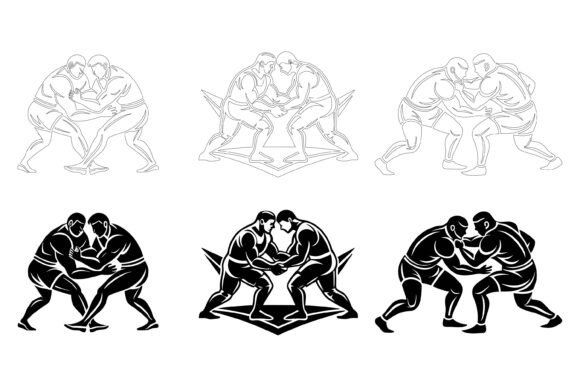
Raster images fall apart the moment you try to scale them beyond their original dimensions, but vector illustrations maintain crisp, clean lines at any size. Whether your project requires a tiny symbol for a smartwatch interface or a massive billboard celebrating marathon runners, the integrity of the athlete silhouette remains pristine. The editable nature of AI and EPS files means you aren't locked into a single color palette or pose. You can isolate the running figure, adjust the curve of a swimmer's stroke, or extract specific elements to build entirely new compositions. This modularity makes the collection an essential toolkit rather than just a set of static pictures.
For Mac and Windows users alike, compatibility is rarely an issue because the file structure bridges both operating systems seamlessly. You can open the project on a Windows machine in CorelDRAW or fire it up on a Mac in Adobe Illustrator without worrying about font substitutions or broken layer connections. The cross-platform reliability ensures that collaborative teams working in mixed-OS environments spend less time troubleshooting files and more time refining the visual narrative of the athletes they are depicting.
Organized Architecture That Saves Hours of Work
One of the most underrated qualities of a premium illustration set is the internal file hygiene. A neatly organized file and layer structure transforms a chaotic design session into a smooth, logical process. Instead of digging through hundreds of unnamed paths, you encounter clearly labeled layers where every limb, shadow, highlight, and background element sits exactly where you expect it. This thoughtful organization makes it remarkably easy to isolate an athlete's silhouette, apply a gradient to the background, or change the texture of sporting equipment without accidentally disturbing adjacent elements.
Consistency across the set also plays a crucial role. When you deploy multiple athlete illustrations within the same infographic or app interface, viewers immediately notice if the stroke weights, color spaces, or anatomical proportions drift from one icon to the next. A collection that prioritizes perfection in details maintains unified line thicknesses, harmonious corner radii, and balanced negative space. This cohesion brings a professional polish that elevates the entire project, making sports teams, fitness brands, and event organizers look authoritative and meticulous.
Why Editable Layers Matter in Athletic Branding
Sports branding often requires rapid iterations. A soccer club might need the same athlete illustration rendered in their home colors, away colors, and a monochromatic version for watermarks. With a well-layered EPS file, you simply unlock the color fill layer, adjust the hex code or CMYK values, and export. There is no need to re-mask or re-paint the graphic. You can even modify the icon anatomy itself—shorten the shorts, lengthen the stride, or rotate the head angle—to match a specific pose requirement. This granular control empowers designers to create bespoke visual identities around specific athletes or sports disciplines without starting from a blank canvas every time.
Seamless Integration Across Print, Web, and Interactive Media
The versatility of a well-constructed AI EPS illustration set extends far beyond the artboard. For print applications, such as event posters, merchandise, and magazine layouts, the CMYK-ready files deliver rich, accurate colors that press operators appreciate. Because the artwork is resolution-independent, you can stretch it across a jersey template or shrink it onto a business card without introducing pixelation artifacts. The sharpness remains absolute, which is critical when reproducing the fine details of athletic gear, facial expressions, or muscle definition.
In web and application environments, the same design files become lightweight, scalable SVG assets after a quick export. Developers can implement them as symbols, navigation icons, animated sprites, or hero illustrations that adapt fluidly across device breakpoints. For UX designers building fitness tracking dashboards, having a consistent set of athlete symbols—runners, cyclists, weightlifters, swimmers—creates a visual language that users intuitively understand. The ease with which you can edit colors also allows for dynamic theming, where the illustration set adapts to dark mode, high-contrast accessibility settings, or brand-specific color schemes with minimal effort.
Infographics That Communicate Data Through Athletic Motifs
Data visualization thrives on clarity, and human figures naturally draw the eye toward key statistics. When you build an infographic comparing Olympic performance metrics or workout efficiency, incorporating vector athlete illustrations humanizes the numbers. You can position a sprinter graphic alongside a time-series chart, or use a cyclist silhouette as a progress bar filling from left to right. Because each element in the file remains independently editable, you can assign specific athlete poses to specific data points, creating a visual rhythm that guides the reader through complex information without overwhelming them.
The Designer's Advantage: Rapid Customization Without Compromise
Speed matters in commercial design. Clients frequently request last-minute adjustments—change the athlete's jersey from blue to red, remove the background entirely, or combine two different sport icons into a single composite graphic. With a properly structured AI file, these requests become trivial exercises rather than deadline-threatening emergencies. The ability to change colors and modify icons easily according to your needs eliminates the friction that often accompanies client feedback loops. You remain agile, professional, and capable of delivering polished revisions within minutes.
This adaptability also future-proofs your work. A logo you design today using these athlete elements might need to function on augmented reality platforms tomorrow. A web banner might evolve into an animated social media sticker. Because the root files maintain perfect fidelity across all transformations, your creative output remains viable long after the original project ships. This longevity is especially valuable for sports organizations that invest heavily in brand equity surrounding prominent athletes and want their visual assets to endure across seasonal campaigns.
Who Benefits Most from an Athlete-Centric Illustration Collection
Fitness app developers find immense value in having a comprehensive library of athletic poses that maintain visual harmony across the entire user interface. Instead of licensing disparate icons from multiple sources—each with slightly different proportions and stylistic quirks—they can deploy a cohesive set where every illustration feels like it belongs to the same family. This unity reduces cognitive load for users who navigate between workout categories, progress screens, and social sharing features.
Sports bloggers and content marketers can elevate their articles by integrating high-quality athlete illustrations that break up long passages of text. A beautifully rendered gymnast or basketball player captures attention in newsletter headers and social media preview cards, improving click-through rates and dwell time. The JPG format included in the package provides a quick, ready-to-use option for those moments when you need a raster preview or a quick upload without opening a vector editor first.
Event organizers promoting marathons, triathlons, or youth sports leagues rely on promotional materials that convey energy and motion. Static photographs of unknown athletes risk looking generic, whereas custom-styled vector illustrations can be tuned to match the event's exact branding guidelines. You can adjust skin tones, uniform styles, and even the dynamic tension in a runner's pose to reflect the spirit of the participants accurately.
A Practical Recommendation for Immediate Use
Rather than stockpiling resources and waiting for the perfect project, the most effective approach is to download the collection, explore the layer structures immediately, and experiment with small modifications. Change a swimmer's cap color, swap a background hex code, or try combining a tennis player with typography for a mock social post. This hands-on exploration reveals just how much creative freedom the editable formats provide, and it quickly builds the confidence to integrate these athlete illustrations into paying client work. The organized structure rewards curiosity, helping you discover new possibilities within files that initially appear straightforward.
For professionals who juggle multiple disciplines—designing a mobile app one day and a printed event banner the next—the consistent reliability of this AI EPS set eliminates the usual friction of format conversion and style matching. The illustrations remain crisp on Retina displays, vivid on coated paper stocks, and perfectly legible at favicon sizes. When you invest in a collection that prioritizes detail, organization, and editability, you effectively expand your studio's capability without expanding the time you spend per project. So what are you waiting for? Buy now and start using this awesome illustration to bring your athletic design concepts to life with precision and flair.