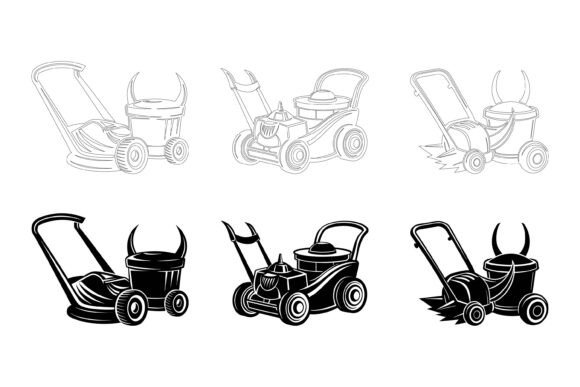
Designing the Modern Baby Stroller Experience Through AI EPS Illustrations
Visual storytelling shapes the way parents, retailers, and designers connect with a baby stroller. Whether you are preparing a product catalog, building an app for new families, crafting an infographic about child safety, or refreshing a parenting blog, the quality of your illustrations can define the entire experience. A baby stroller image that is crisp, adaptable, and professionally layered does more than decorate a page — it communicates reliability, attention to detail, and an understanding of modern parenting needs. This is exactly where carefully designed AI EPS illustration sets become a strategic asset rather than just another graphic file.
Why Visual Consistency Matters in the Baby Stroller Market
Today’s buyers research extensively before making a purchase. They scroll through social media, read reviews, compare product images across multiple sites, and expect a cohesive visual language. When a baby stroller is represented with mismatched styles or low-resolution clip art, subtle doubts creep in. Consistency in illustration style, line weight, and color palette across a brand’s platforms creates a sense of professionalism and dependability. For small business owners or freelance designers working on tight deadlines, maintaining that consistency from scratch can be resource-intensive. A thoughtfully crafted AI EPS collection eliminates the guesswork by delivering icons and scenes that already share the same DNA — proportions, lighting logic, and detailing — so every touchpoint feels intentional.
Editable Vector Illustrations: From Rigid Templates to Fluid Creative Control
Static image formats often force creators into corners. What if the stroller silhouette needs to match a pastel nursery palette instead of the default charcoal gray? What if a web banner requires a simplified flat icon while a printed brochure demands a more detailed line-art version? Raster files break down under these demands. The Hello Welcome to our Special AI EPS Collections set addresses this by offering fully editable vector artwork. Every anchor point, every stroke, every filled shape can be adjusted without loss of quality. Designers can recolor an entire baby stroller illustration in seconds, remove or add components like a canopy or a storage basket, and even resize it from a tiny app symbol to a billboard-scale graphic without any pixelation. This flexibility is no longer a luxury; it is the baseline expectation for efficient visual production.
The Organizational Advantage of Layer-Structured Files
Time is a creator’s most limited resource. Opening an illustration to find a single flattened layer is the digital equivalent of receiving a puzzle with all pieces glued together. A neat layer structure changes that experience fundamentally. In a well-prepared EPS file, the wheels of the baby stroller might live on their own layer, the handlebar on another, the seating area separately grouped, and the background elements clearly named. This allows you to turn off unnecessary parts, isolate components for animation, or tweak the stroller frame without disturbing the rest of the artwork. Professionals working on branded campaigns can swap out colors on specific layers to align with seasonal guides, while a blogger can quickly extract just the wheel icon to use as a navigational element. File organization is not about aesthetics; it is about productive speed and creative freedom.
Cross-Platform Compatibility for Mac and Windows Users
Creative teams are rarely homogenous. One collaborator may design on a Mac while another reviews files on a Windows machine, and both need identical results. The AI and EPS formats in this collection are built to perform smoothly across operating systems. Adobe Illustrator on macOS, CorelDRAW on Windows, Affinity Designer, or even lighter editing tools — the structural integrity of the vector data remains intact. JPG previews further simplify quick browsing and presentation without requiring specialized software. A product manager prepping a slide deck, a marketer placing images into a Word document, or a developer checking icon alignment in a UI mockup all benefit from accessible file types. The cross-platform peace of mind means fewer technical hiccups and more time focused on how the baby stroller imagery supports the message.
Perfection in Details: Why Subtle Elements Elevate a Brand
Look closely at a well-crafted baby stroller illustration and you will notice features that often go unappreciated but deeply influence perception. The soft curvature of a safety harness buckle, the realistic proportion of wheel spokes to the frame, the subtle shadow under the seat — these are not accidental flourishes. They signal that the creator respects the subject and, by extension, the end user. In an age of generic stock art, detailed illustrations stand out. A parenting magazine using images from the Special AI EPS Collections can present a stroller graphic that feels authentic and carefully studied, which builds credibility with readers. For an e-commerce site, product photographs are essential, but illustrated icons for assembly instructions or feature callouts benefit from that same precise attention. Consistency in detail across all visual assets subconsciously reinforces that the brand is thorough and trustworthy.
Adapting to Modern Content Channels Without Losing Quality
The same baby stroller concept might need to live in wildly different environments during a single campaign. An infographic pinned on Pinterest needs bold, simple shapes. An instructional diagram inside a product manual wants clear, thin lines. A mobile app for tracking stroller walks prefers lightweight symbols with recognizable silhouettes. A printed poster in a baby boutique can handle more texture and decorative elements. A raster image would demand separate files for each use case. The vector foundation of AI EPS artwork, supported by a well-organized layer panel, allows one master file to serve all these purposes. Reducing detail for a favicon or adding complexity for a large-format print becomes a matter of toggling visibility and adjusting strokes. This adaptability is particularly valuable for entrepreneurs and marketing teams who need to maintain a unified look across a fragmented digital landscape.
Practical Integration for Apps, Infographics, and Social Media
Let’s move from theory to daily workflow scenarios. A startup developing a baby gear rental app needs a set of icons that represent categories: lightweight stroller, jogging stroller, travel system, double stroller. The collections provide a cohesive visual language so users can instantly recognize each option. An educator creating a safety infographic about proper stroller usage can pull clean, instructive graphics that would be tedious to draw from scratch. A social media manager for a baby product brand can repurpose the same stroller illustration across Instagram stories, Facebook ads, and email newsletters, recolor it for holiday promotions, and add a subtle shadow for depth — all within the same editable file. Even a non-designer with basic Illustrator skills can follow the clearly named groups and adjust a stroller’s hue to match a specific campaign palette. The barrier to professional-looking output drops considerably when the foundational asset is already constructed with user flexibility in mind.
Customizing Color and Form to Match Your Unique Vision
One of the primary friction points with pre-made illustrations is the feeling of wearing someone else’s clothes. A baby stroller icon might be almost right, but the blue is too corporate, or the wheel style feels dated. Because the AI EPS files are structured with editable paths and globals colors where possible, you are not locked into the original designer’s choices. Selecting all instances of a color and replacing it takes a few clicks. Adjusting the curvature of a handle to mimic your own product line is straightforward for anyone comfortable with bezier curves. And if you need to simplify further for a tiny UI element, removing non-essential parts without breaking the entire composition is exactly what the grouped layer system enables. This balance of ready-made convenience and deep customization respects both the novice who wants a quick win and the perfectionist who sweats over every anchor point.
Expanding Use Cases Beyond the Expected
While the obvious applications center on parenting topics, the utility of a beautifully rendered baby stroller illustration extends further. City planners designing walkability reports might use stroller icons to indicate family-friendly routes. Healthcare professionals developing patient education materials about postpartum exercise could include a stroller graphic for relatable context. A freelance illustrator assembling a lifestyle pattern for baby shower invitations could combine multiple elements into a whimsical repeat. The fact that these illustrations avoid overly specific branding makes them versatile building blocks. You can construct scenes, diagrams, patterns, or navigational aids without the illustration feeling like a borrowed stock photo with an unnatural watermark. The JPG format further adds convenience for quick mockups, blog headers, and presentations where vector editing is not required but visual clarity matters.
How the Hello Welcome to our Special AI EPS Collections Stands Apart
Many illustration bundles flood the market with massive file counts and low design cohesion. What makes a collection truly special is the intersection of aesthetic quality and functional architecture. The Hello Welcome to our Special AI EPS Collections set was crafted with an understanding of how real creators work — from the initial sketch to the final export across different media. The file includes AI and EPS for deep editing, plus high-resolution JPG for instant placement. The layer structure is not an afterthought; it is a deliberate blueprint that saves users from hunting through anonymous paths. Mac and Windows compatibility is verified, not assumed. Most importantly, the visual outcome does not look like a generic template. The baby stroller forms have personality and lifelike proportions that feel current, not clip-art stale. For a busy parent blogger, a product designer, or a marketing lead, that distinction translates directly into engagement and conversion metrics.
Evolving Design Habits and the Demand for Smarter Assets
Creative workflows have shifted dramatically. Remote collaboration, rapid iteration, and multi-channel publishing demand assets that can keep pace. Designers no longer work on one platform or in one medium. An asset created for a desktop website today may be repurposed for a smartwatch companion app tomorrow. A baby stroller illustration used in a safety pamphlet this quarter may reappear in an augmented reality preview tool next year. Investing in vector files that are editable, scalable, and neatly organized is a form of future-proofing. It reduces the need to re-purchase or re-create assets when a marketing requirement shifts. As brands place greater emphasis on maintaining visual equity across touchpoints, starting with a versatile illustration set becomes a smart resource allocation rather than an expense.
Making the Decision to Upgrade Your Visual Toolkit
Imagine a typical Monday morning. A client requests a quick social graphic featuring a modern baby stroller in their signature teal. You have thirty minutes. Scrolling through low-quality free icons or starting from a blank artboard is stressful and rarely yields satisfactory results. Now imagine opening a layered AI file, selecting the stroller group, double-clicking the main color swatch, and typing the exact hex code. You export a clean PNG for Instagram and an SVG for the website, both looking polished and on-brand. The difference is not just minutes saved; it is the confidence that the output will meet professional standards without cutting corners. That confidence is what the Special AI EPS Collections aim to deliver — practical artistry that works as hard as you do.
The collection’s suitability spans print production, web design, mobile app interfaces, symbols, infographics, and much more. The attention to detail in each illustration means you can zoom in as far as you want and still see clean lines and meaningful shadows. The organized structure invites exploration rather than intimidation. For anyone who regularly needs to incorporate parenting, mobility, or family-related visuals into their work, having a definitive baby stroller illustration resource eliminates the weekly scramble for usable images. From pitch decks to finished product pages, the visual narrative becomes something you control rather than something you compromise on.
Take a moment to consider your next project. Whether it is a website redesign, a new app feature, a printable guide for new parents, or a seasonal marketing campaign, the visual elements will play a determining role in how your work is received. Starting with a foundation of editable, consistent, and beautifully detailed illustrations means you spend your creative energy on big ideas instead of pixel-pushing frustrations. The baby stroller images are ready, but the true value lies in how you will make them unmistakably your own — recolor them, restructure them, and weave them into a story that resonates with your audience. The files are prepared. The layers are labeled. The compatibility is assured. All that is left is for you to open them and start creating.